The Role of Color Psychology in Small Spaces
Color is a fundamental aspect of our environment, influencing moods, perceptions, and even behaviors. In small interior spaces, the choice of color can significantly affect how the area feels and functions. Understanding the principles of color psychology can help homeowners and renters make informed decisions about their micro-renovation projects.
Understanding the Basics of Color Psychology
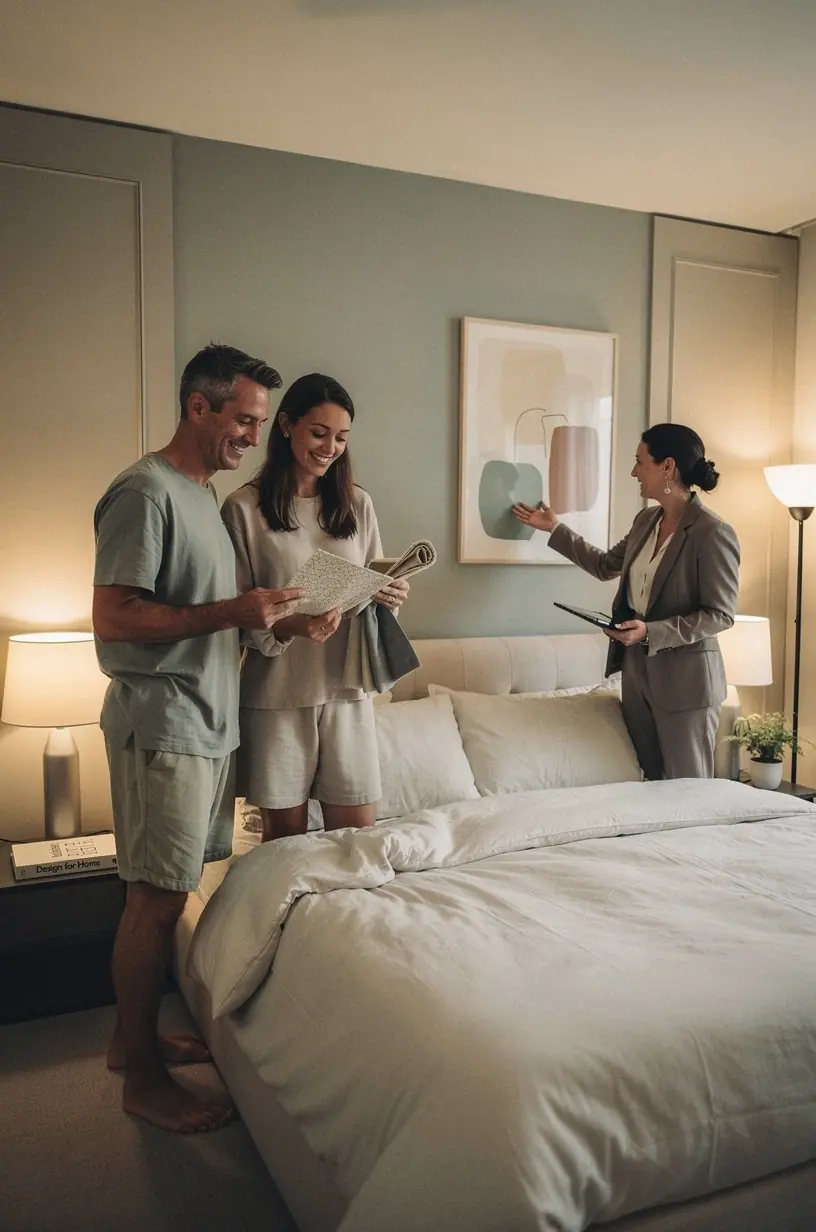
Color psychology is a field of study that examines how colors influence human behavior and emotions. According to research, colors can evoke feelings ranging from calmness to excitement. For example, blue is often associated with tranquility, making it a popular choice for bedrooms, while yellow can stimulate creativity and energy, which might be ideal for a home office.
"The principle behind color psychology is that different hues can evoke distinct emotional responses, impacting how we experience our environments."
Choosing Colors for Small Spaces
When working with small spaces, color selection is particularly important. Here are some practical tips based on industry best practices:
- Light Colors for Openness: Light shades, such as soft whites and pastels, can make a room feel larger and more open. Studies show that these colors reflect more light, creating an illusion of space.
- Accent Walls to Create Depth: Many users report that incorporating an accent wall in a deeper hue can add interest without overwhelming the space. This technique can visually expand the dimensions of a room.
- Consider the Light: The way light interacts with color is crucial. Natural light can enhance colors, while artificial lighting may alter their appearance. Experts recommend testing paint samples in different lighting conditions to find the most flattering options.
Practical Applications in Micro-Renovation
Implementing color psychology in small spaces doesn’t have to involve a complete overhaul. Here are some effective approaches:
- Repaint Existing Walls: A fresh coat of paint is a cost-effective way to transform a space. For instance, a warm beige can create a cozy atmosphere in a small living room.
- Add Color Through Accessories: If painting isn’t an option, consider adding colorful accessories like throw pillows, art, or rugs. These elements can introduce color without the commitment of paint.
- Use Color to Define Areas: In studio apartments or multipurpose rooms, using different colors can help delineate spaces. For example, a serene green can define a sleeping area, while a vibrant orange can energize a workspace.
Conclusion
Incorporating color psychology into your micro-renovation projects can significantly impact the ambiance of small spaces. By understanding how colors influence mood and perception, you can make informed choices that enhance the functionality and aesthetics of your home. Remember to experiment with colors, consider the effects of light, and utilize techniques like accent walls and decor to achieve the desired effect. With careful planning and a thoughtful approach, you can create spaces that feel both inviting and spacious.
Learn More