
Understanding the Impact of Flooring Upgrades
Flooring upgrades can significantly enhance the aesthetic and functional qualities of your space. This article explores how small changes in flooring can lead to impactful improvements in your home, while also discussing the practical considerations and expert recommendations surrounding this type of micro-renovation.
Why Flooring Matters
Flooring serves as the foundation of any interior design, influencing everything from overall comfort to the perceived value of a property. According to research conducted by the National Association of Realtors, updated flooring can result in an increase in home value by 3-5%. This is particularly relevant in the U.S. housing market, where first impressions play a crucial role in property sales.
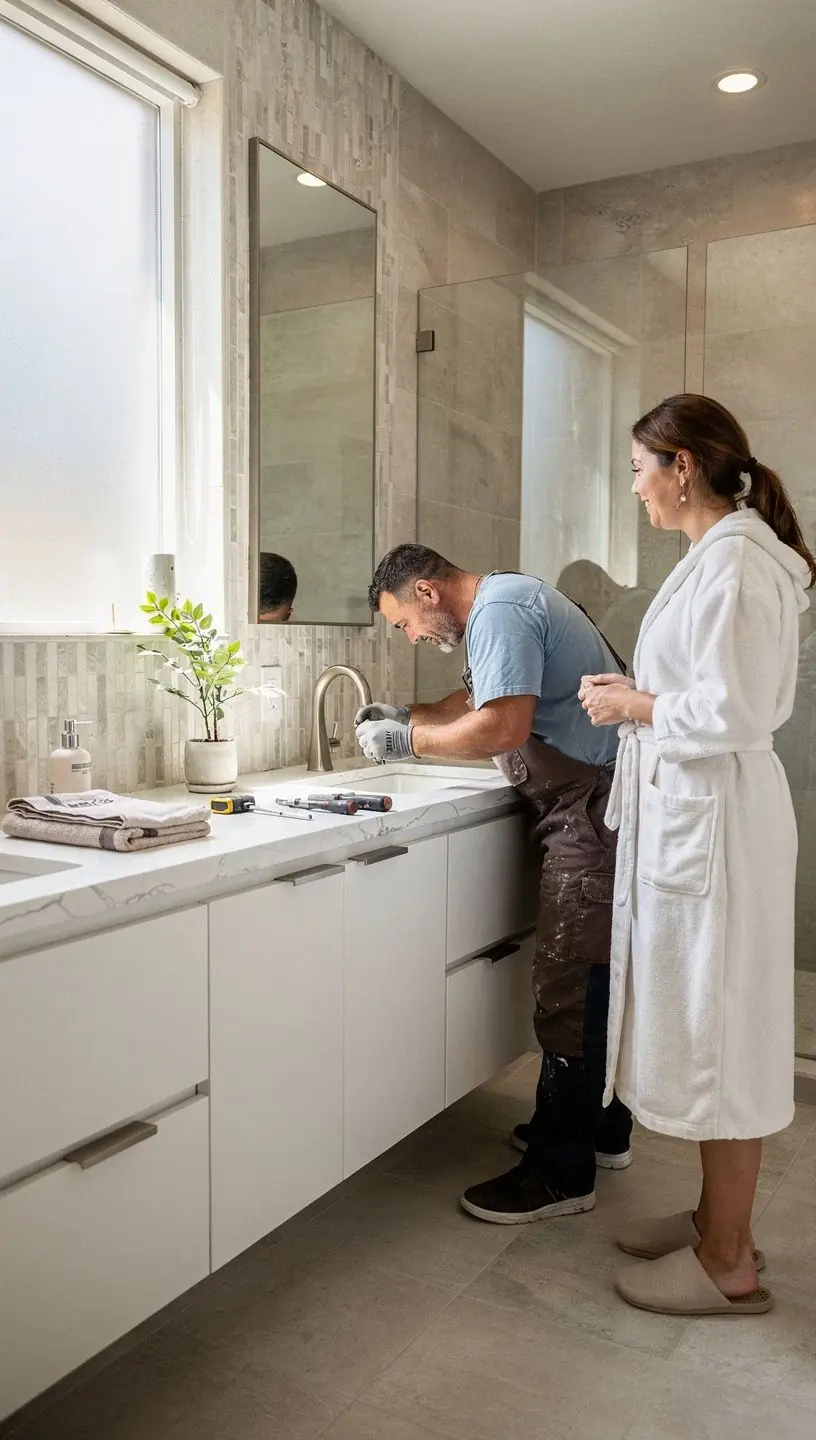
"Investing in quality flooring is not just about aesthetics; it can enhance your home's marketability and functionality." - Industry Expert
Choosing the Right Flooring Material
When considering a flooring upgrade, it is essential to choose materials that suit both your lifestyle and design preferences. Common options include:
- Hardwood: Often favored for its timeless appeal, hardwood flooring typically lasts for decades when properly maintained. However, it may not be the best choice for high-moisture areas.
- Luxury Vinyl Plank (LVP): This increasingly popular option mimics the look of natural wood or stone. Many users report that LVP is both affordable and durable, making it an effective choice for busy households.
- Tile: Ceramic or porcelain tiles can work well in kitchens and bathrooms due to their water-resistant properties. Experts recommend considering underfloor heating for added comfort.
The Installation Process
The installation of new flooring typically involves several steps:
- Preparation: This phase often requires removing the existing flooring and ensuring the subfloor is clean and level.
- Acclimation: Certain materials, such as hardwood, need to acclimate to the room’s temperature and humidity for at least 48 hours before installation.
- Installation: Depending on the material, installation methods vary. For instance, LVP might use a click-lock system, while hardwood may require nailing or gluing.
- Finishing Touches: This includes adding baseboards and ensuring all transitions and expansions gaps are properly addressed.
In most cases, the entire process can take 1-2 weeks, depending on the scope of the project and the type of flooring being installed. It is important to set realistic expectations, as improper installation can lead to issues down the line.
Acknowledging Limitations
While flooring upgrades can certainly enhance your home, it is important to recognize that they do involve an investment of time and resources. Many users report a learning curve, particularly when dealing with DIY installations. Moreover, it is crucial to remember that not all flooring options are suitable for every space; for instance, hardwood is less ideal for areas prone to moisture.
Conclusion
Upgrading your flooring can offer significant benefits, from aesthetic appeal to improved functionality. By understanding the various materials available, the installation process, and potential limitations, homeowners can make informed decisions that align with their needs and objectives. As industry experts suggest, investing in quality flooring not only enhances your living space but may also lead to a positive return on investment.
Learn More